13,983 Birds
13,983 Birds
“The image of a wild animal is the starting point for a daydream." (John Berger)
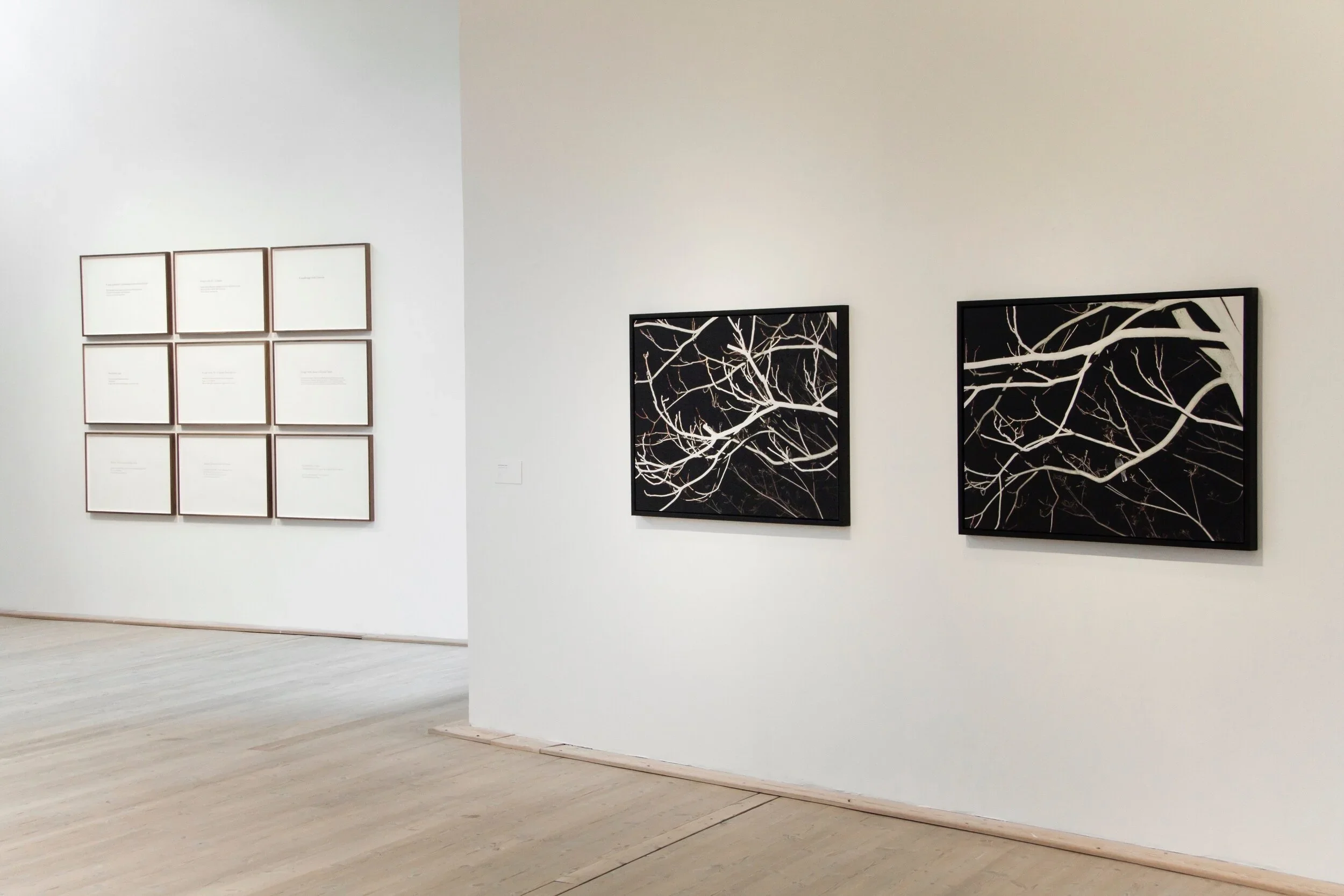
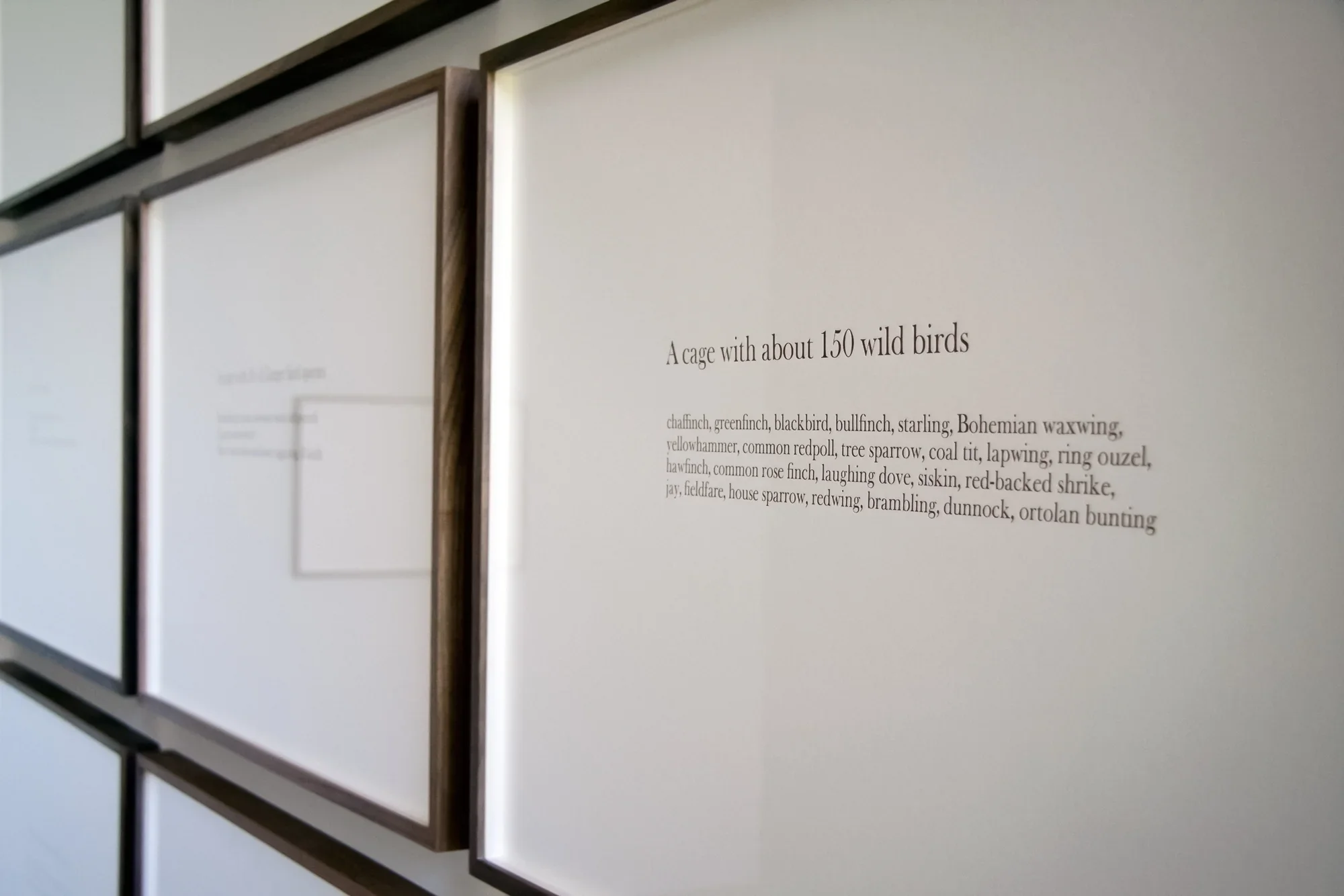
At first glance, this work does not appear to be a photograph—for the simple reason that it contains no photographic images. Yet, each framed text is, in an indirect sense, a photograph—a concrete poem, a recorded image drawn from a legal case concerning the capture of 13,983 birds. I chose to work with text rather than imagery after seeing the photographs attached to the court documents—images that had been photocopied so many times they had become imprecise and difficult to decipher yet remained intensely dramatic. However, my decision to use text also stemmed from the fact that photographing a crime scene is prohibited while legal proceedings are underway.
The text is printed using lead type and diluted ink. By employing shades reminiscent of sepia-toned photographs, I sought to evoke a nostalgic perspective—the idea of a desire that can never be fulfilled. The variations in colour and intensity also underscore the instability of the image—an instability that likewise applies to the legal documents and the evidence presented.
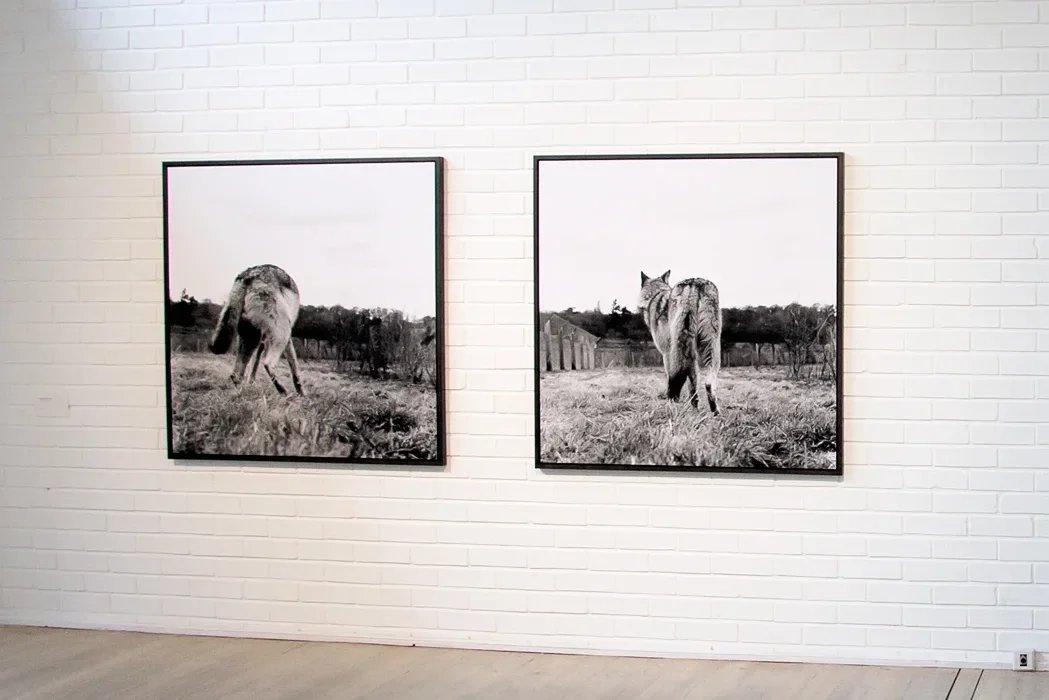
Conundrums
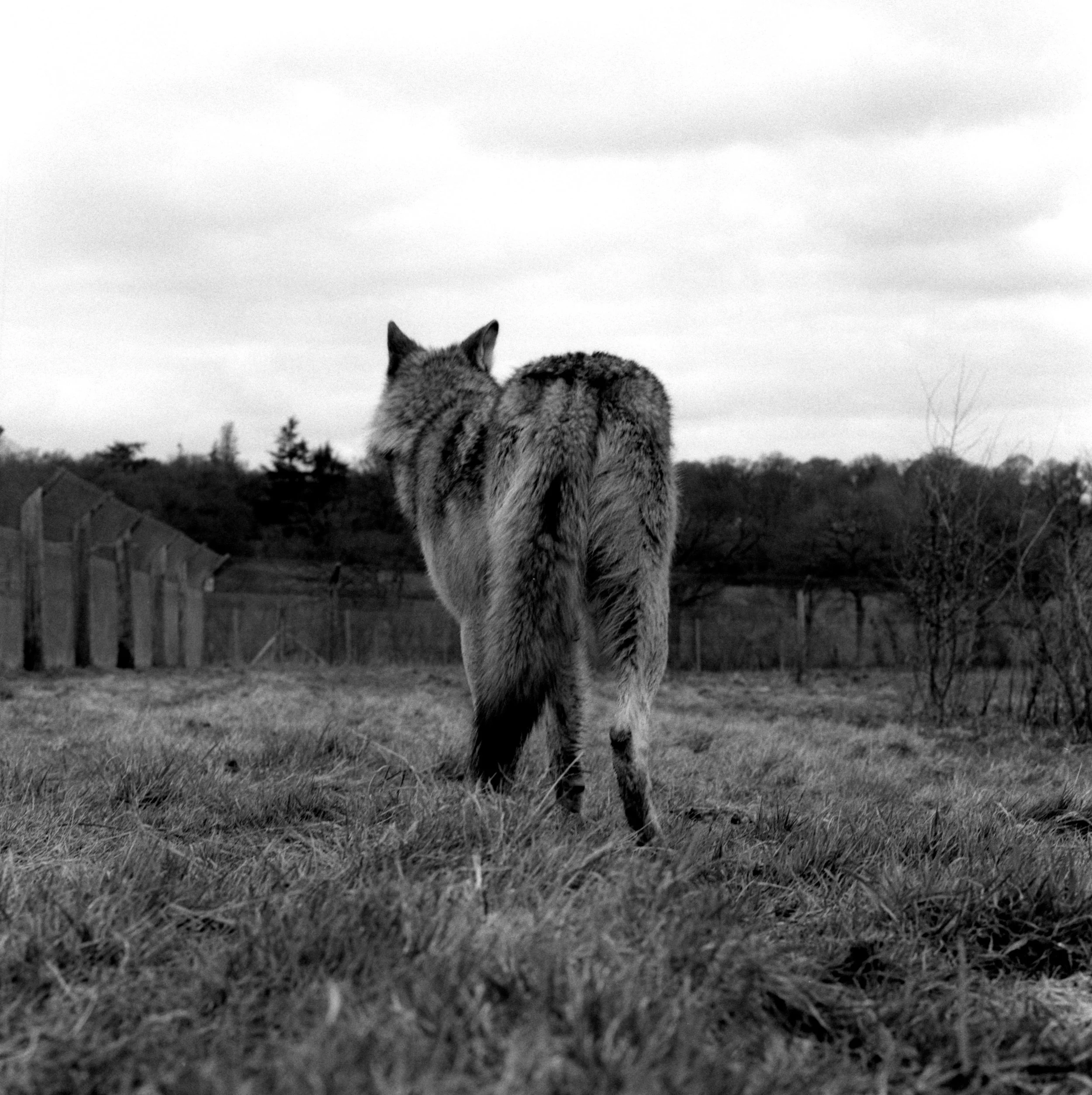
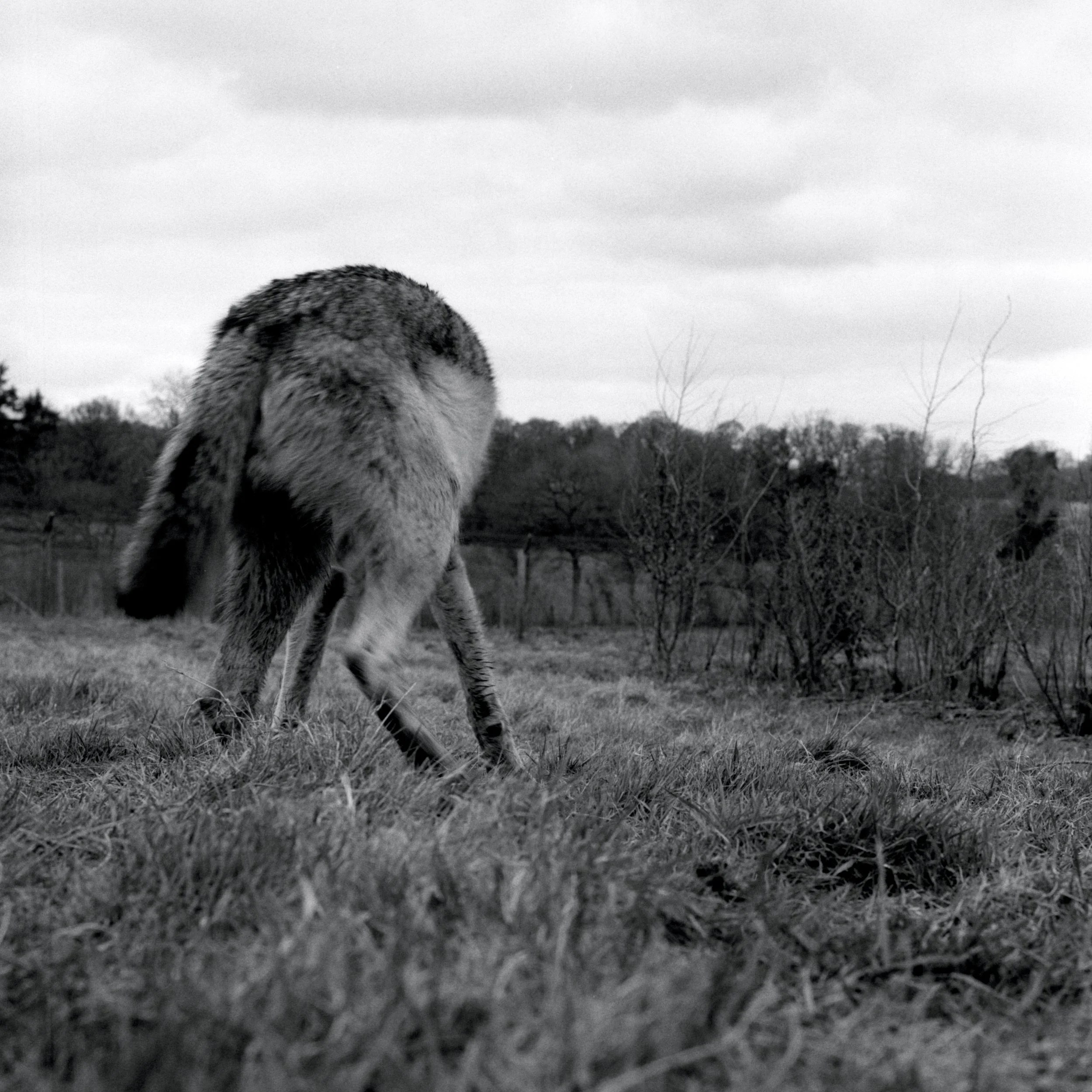
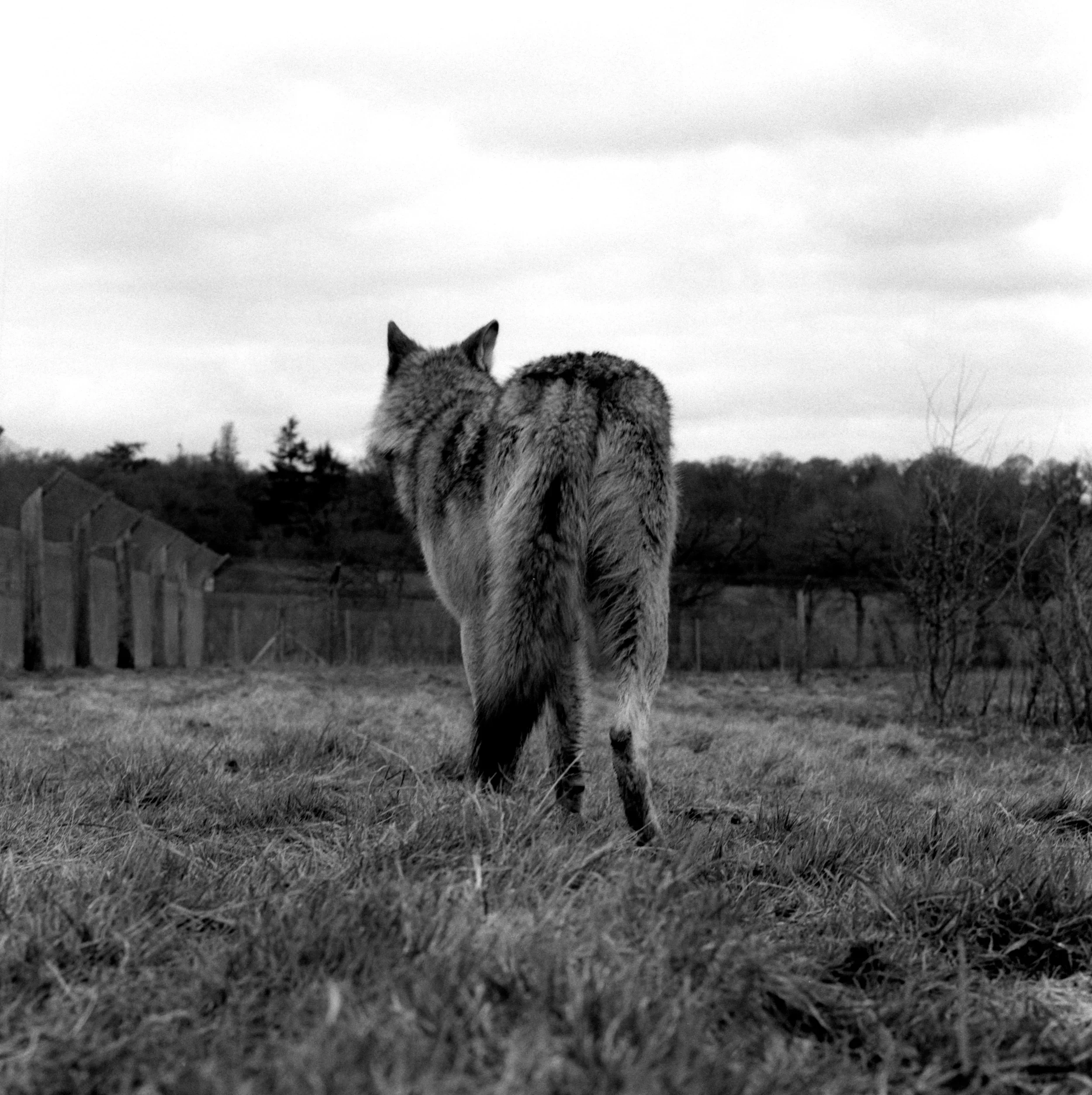
A howling wolf—or perhaps just a wolf with its back turned toward us. A wild wolf in an enclosed environment. Who listens to what we call an animal? Who is it that answers?
These photographs of the wolf challenge our preconceived notions of what we are seeing. A wolf can only see in black and white—so, can the wolf see us, and how does it perceive us? The wolf does not howl. Why not? The wolf remains still; it moves without drama, yet nothing can strip away the symbolic baggage it carries.
The wolf prompts me to wonder: what precedes the act of seeing? If the philosopher Maurice Blanchot is correct, the image is intimate, offering us a reflection of ourselves. First the subject, then the image. First the wolf, then the photograph. The wolf was there; I captured it in motion—it became an image, and in an instant, it became unreal. Meaning ceases, slipping—unintentionally, involuntarily, yet inevitably—into misunderstanding.
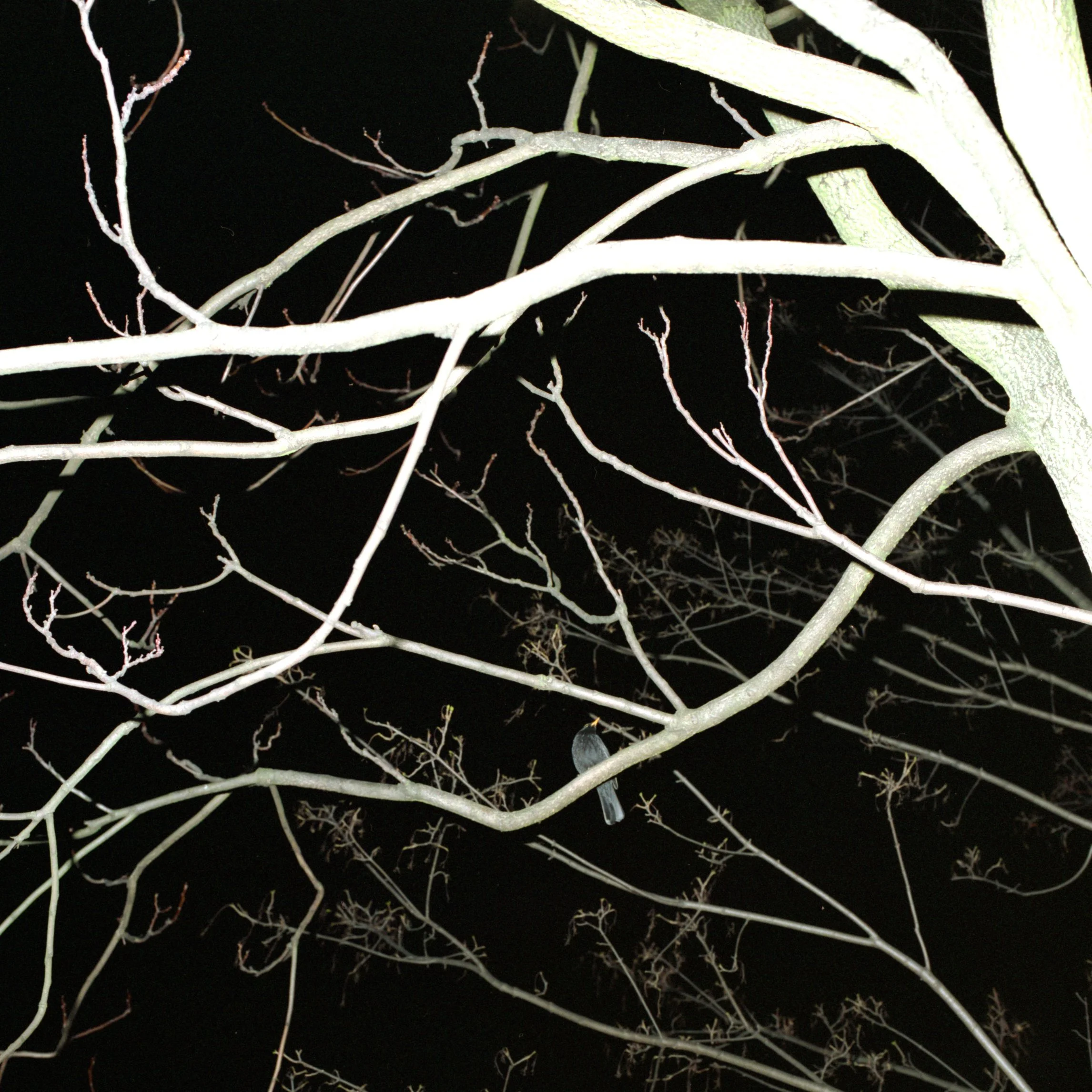
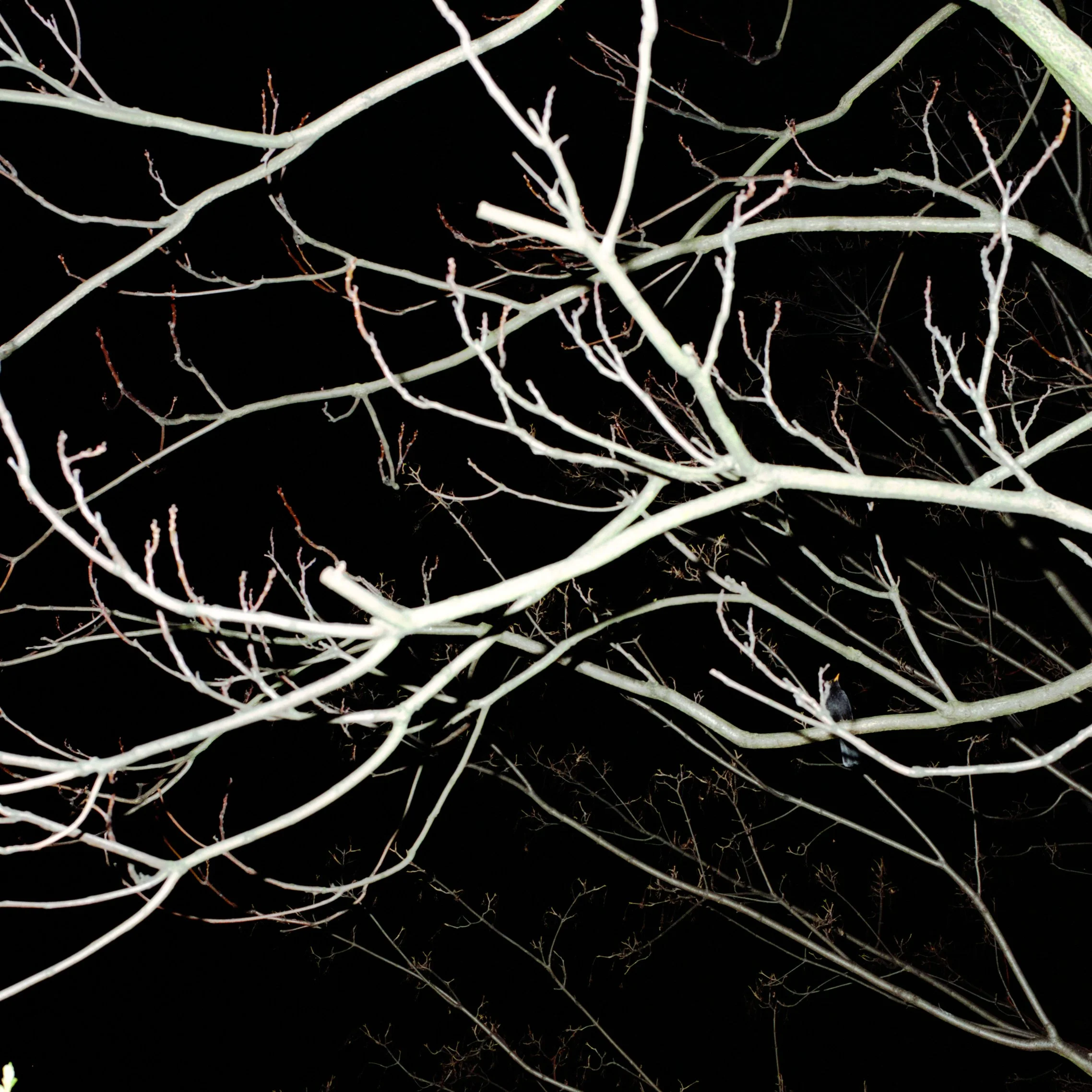
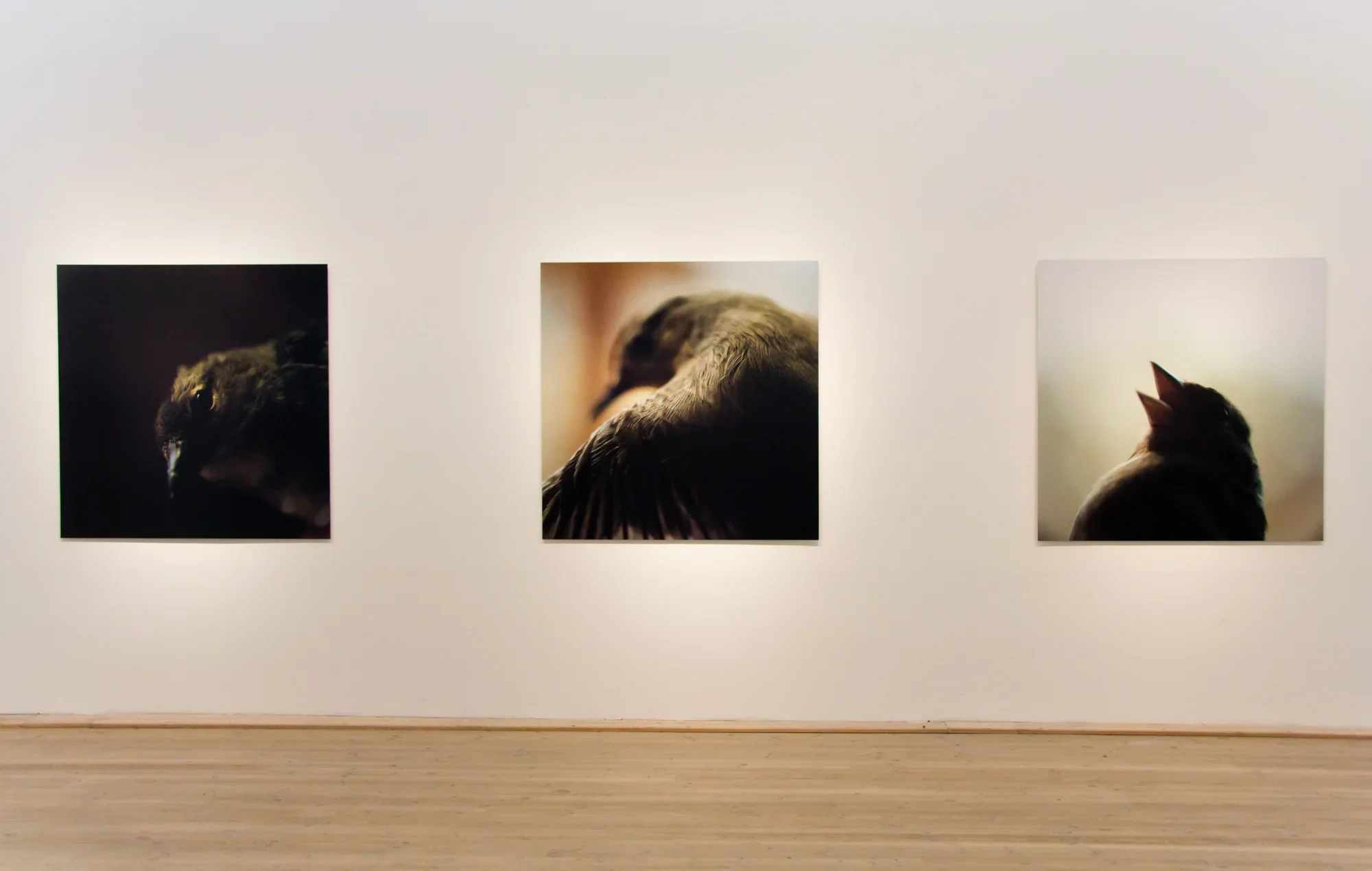
Night Series
At night, one is transported into a different landscape. Colours are muted, and one is compelled to gauge distances, objects, and details based on subtle shifts and gradations. In the countryside, the absence of light is absolute; there are no reflections from the city’s myriad lights—only darkness, silence, and stillness. In the city, it is different. The blackbird remains awake, singing throughout the night, undisturbed by the lights and sounds. In the city at night, ambient noise subsides, allowing the bird to make itself heard and perform a ballad in the darkness for its mate.
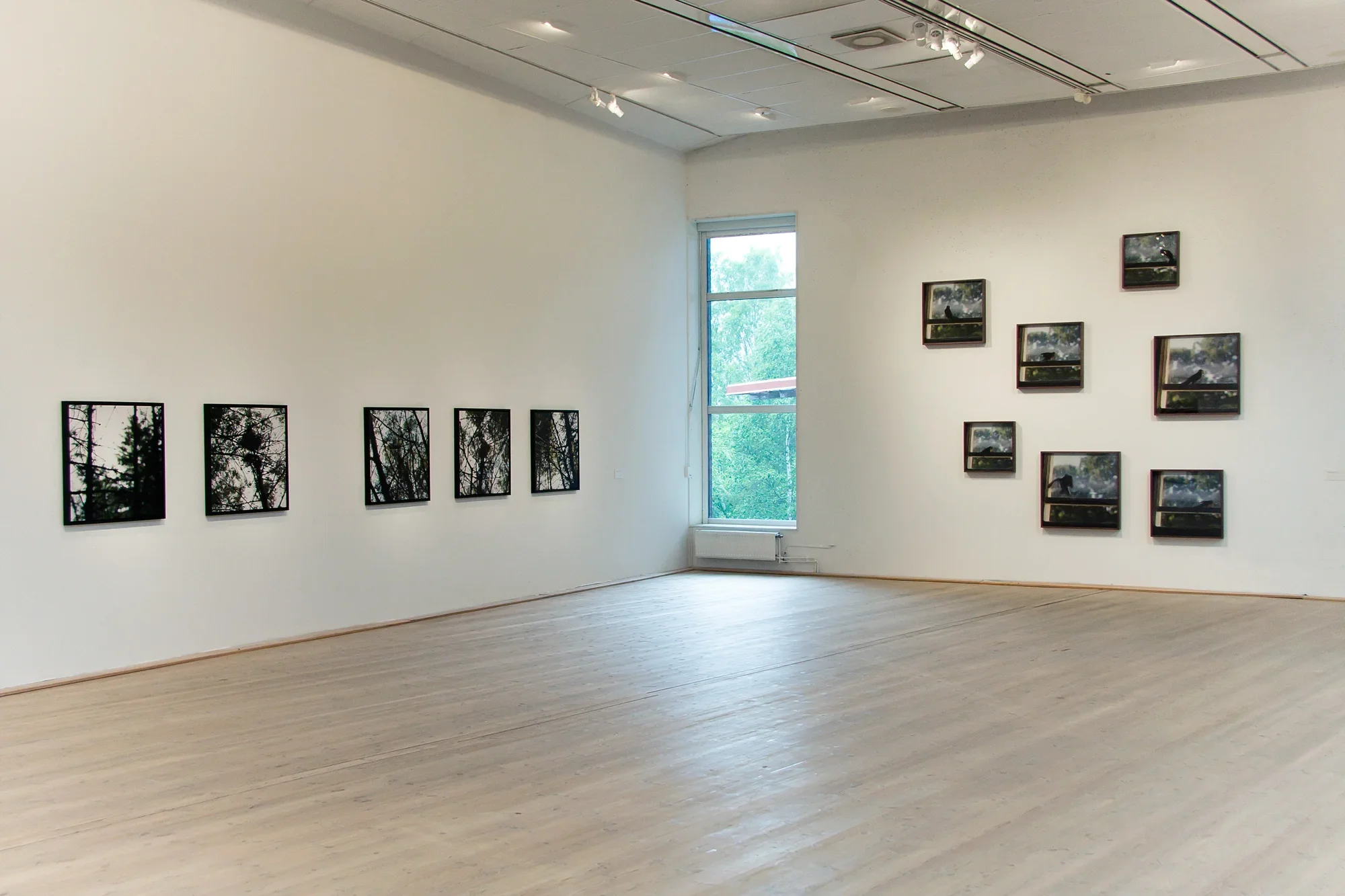
The Forest of Strange Birds
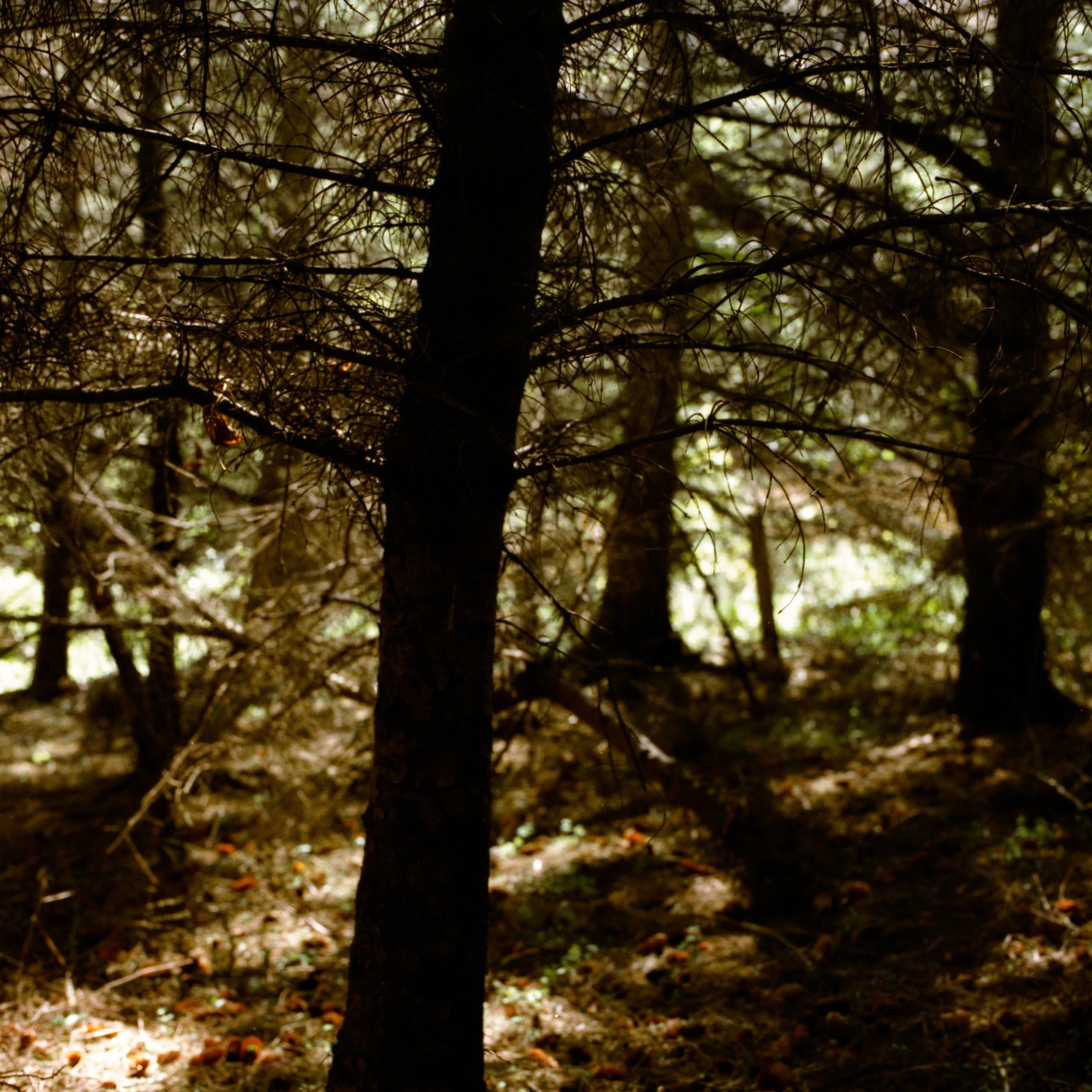
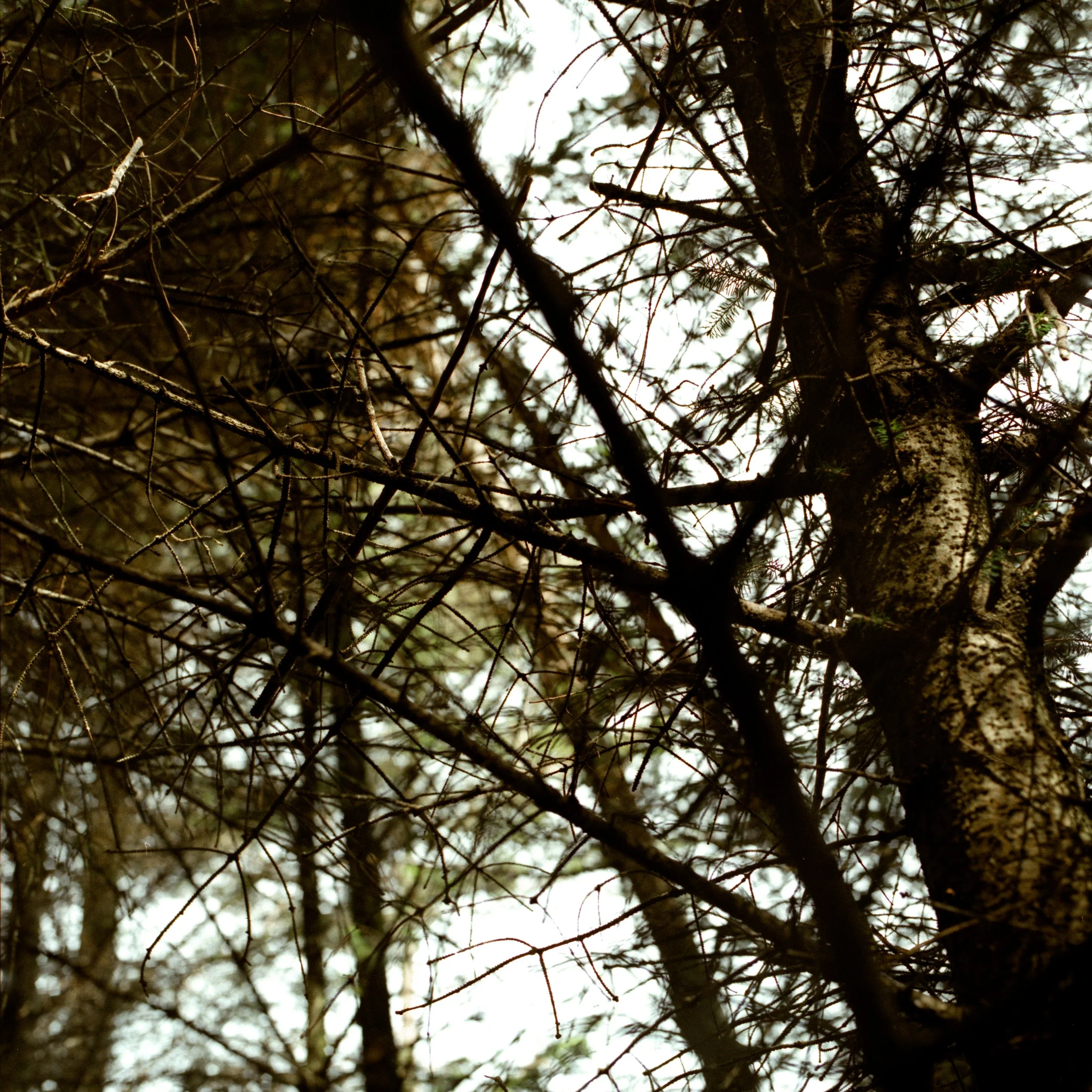
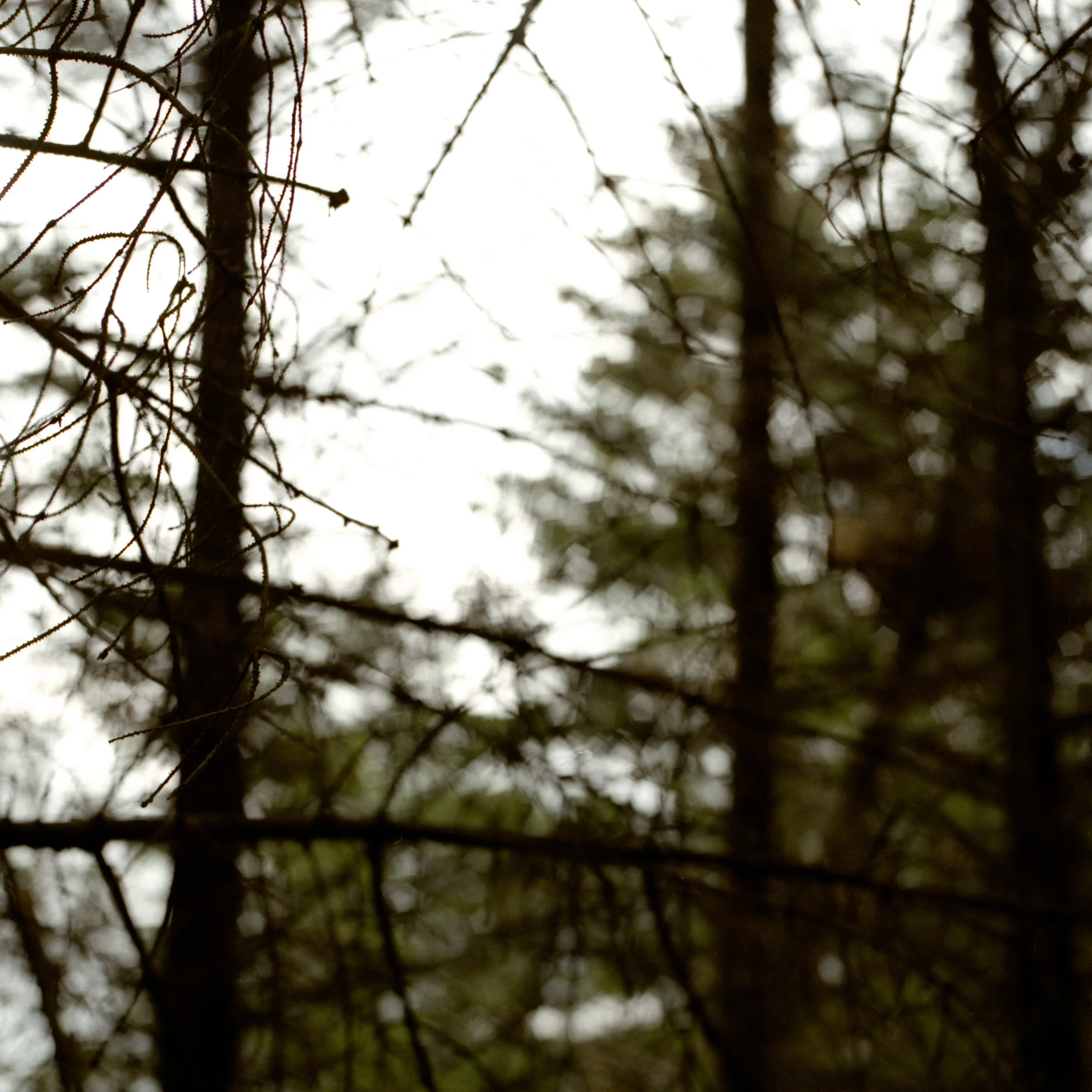
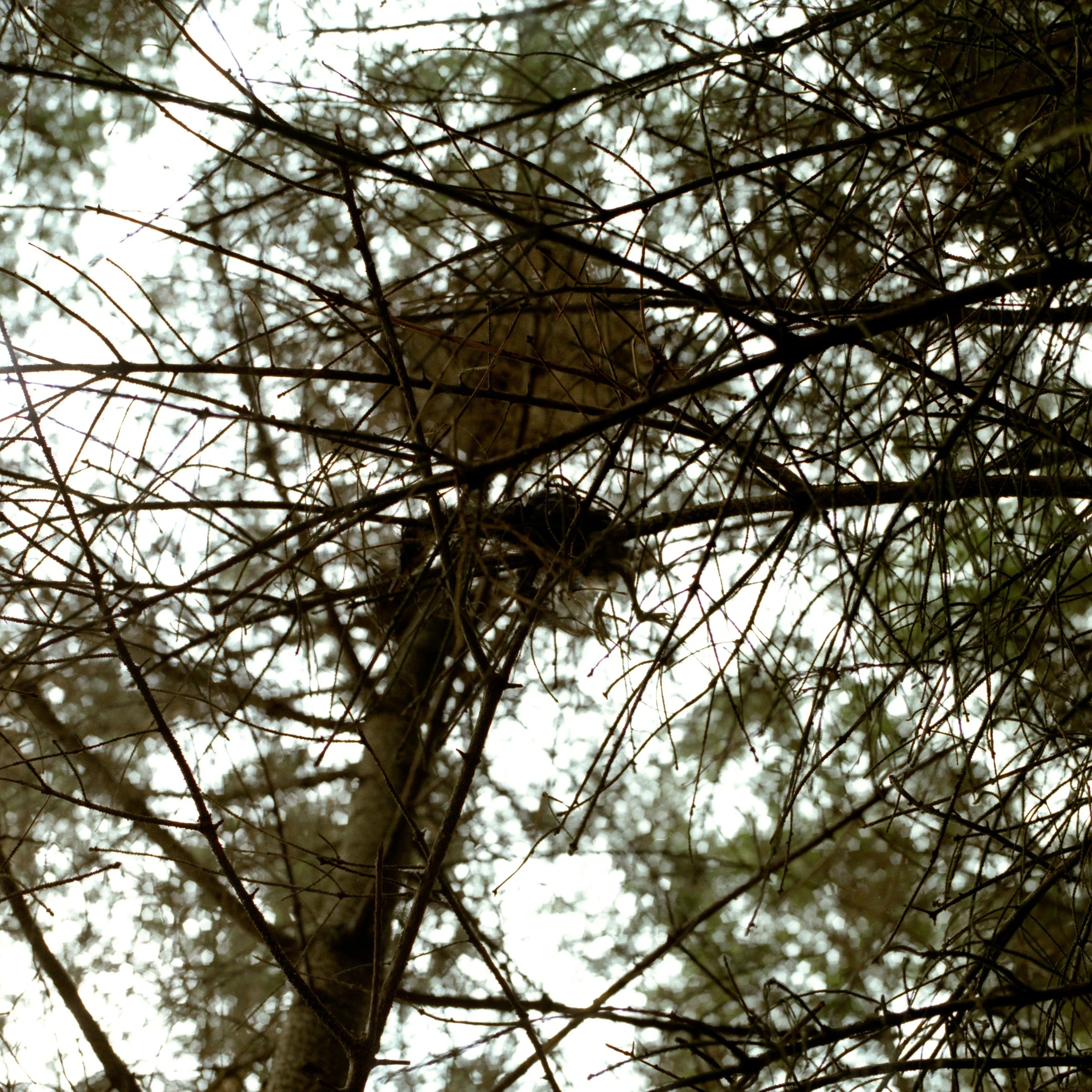
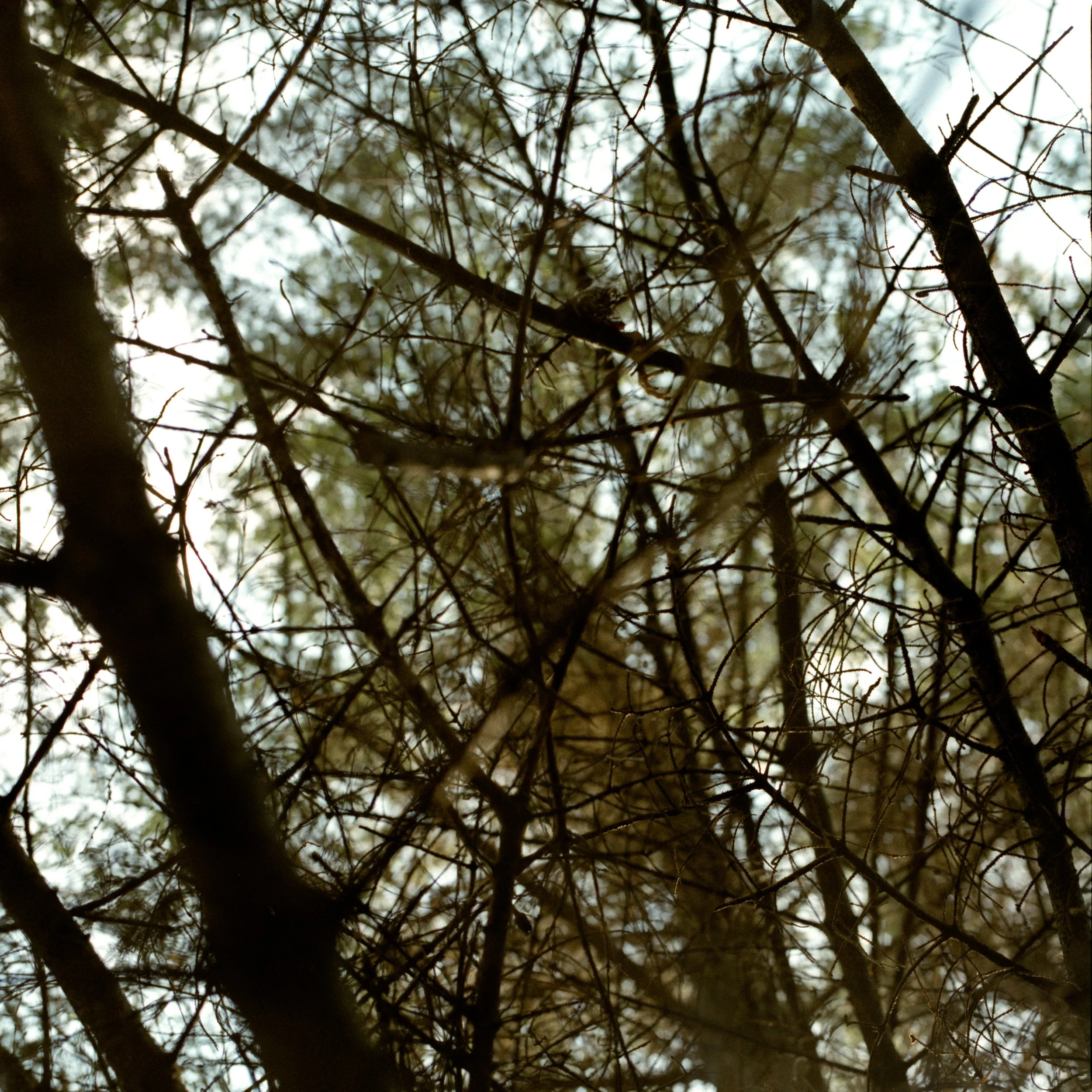
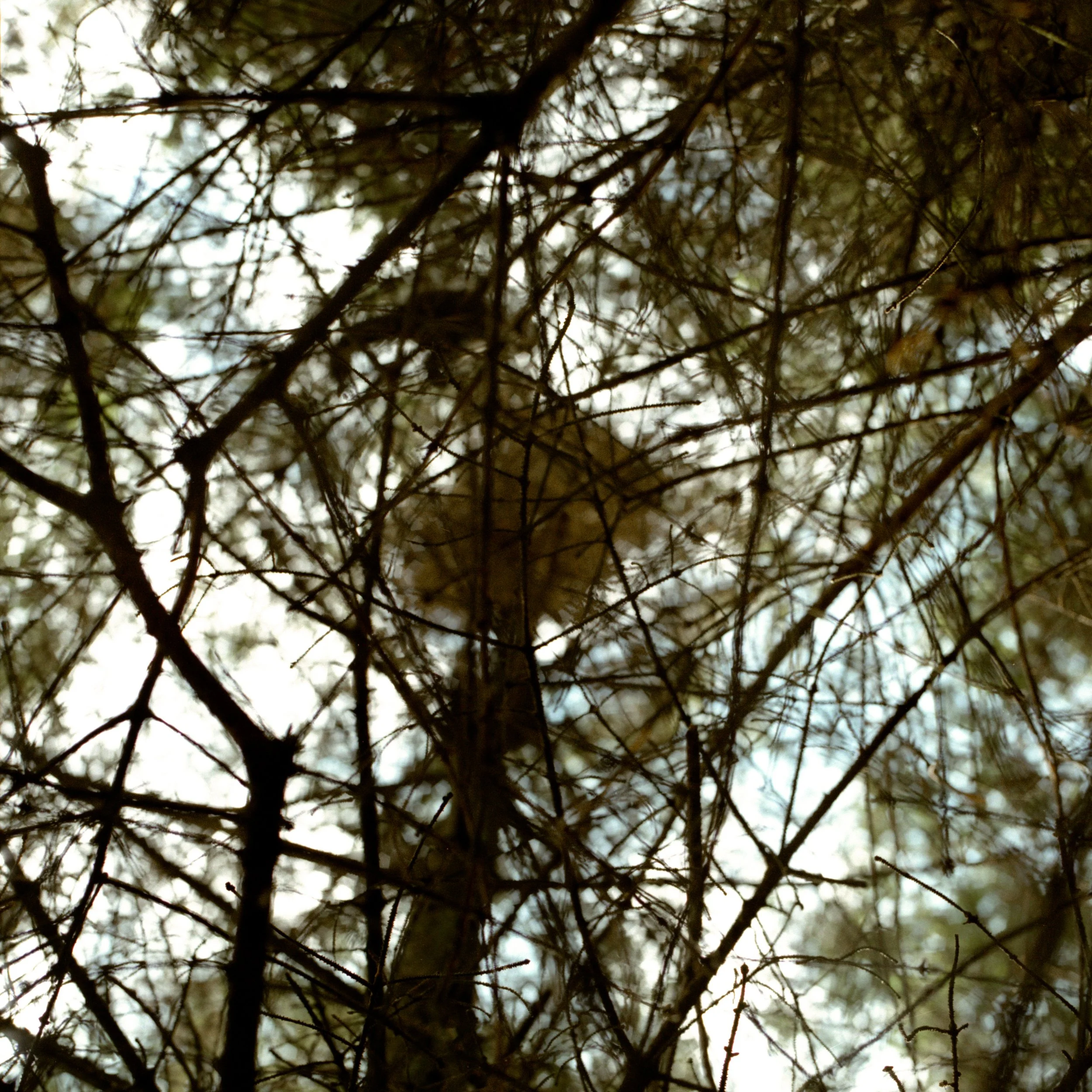
I was told of a forest of strange birds—a forest on a remote island off the west coast of Scotland where birds hung from the trees. I travelled there in search of this burial ground—this pagan sacrificial landscape inhabited by unsettling birds—but instead of a cemetery, I found six or seven heron nests in the trees of a pine grove. Some nests had became a site of sacrifice to the elements and the storms.
In The Poetics of Space, the philosopher Gaston Bachelard writes: "A nest is an image of rest and tranquility, and it immediately brings to mind the idea of a home... The nest represents the moment of return; it is a symbol for an infinite number of daydreams—it is not merely that we constantly return, but that we also constantly dream of returning."
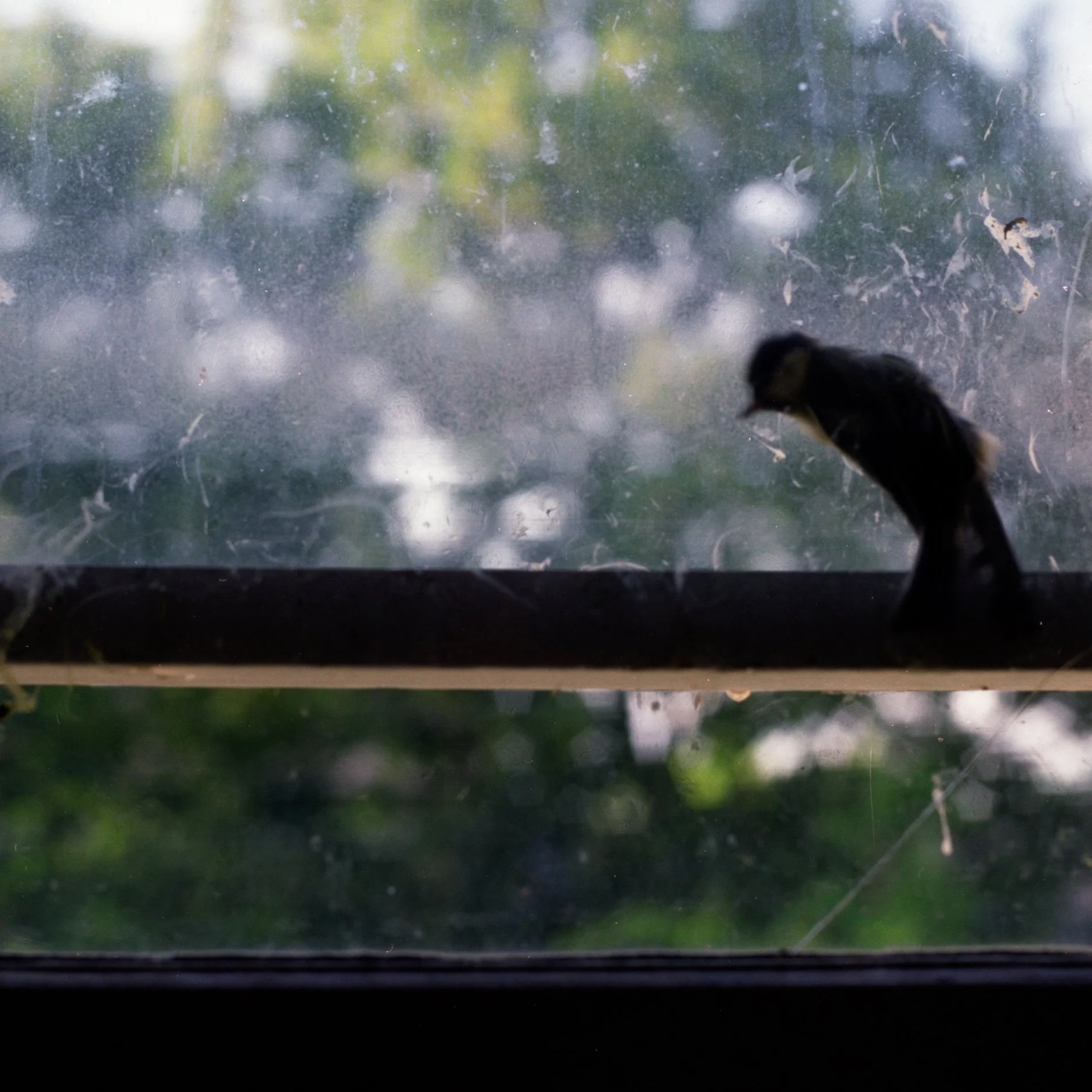
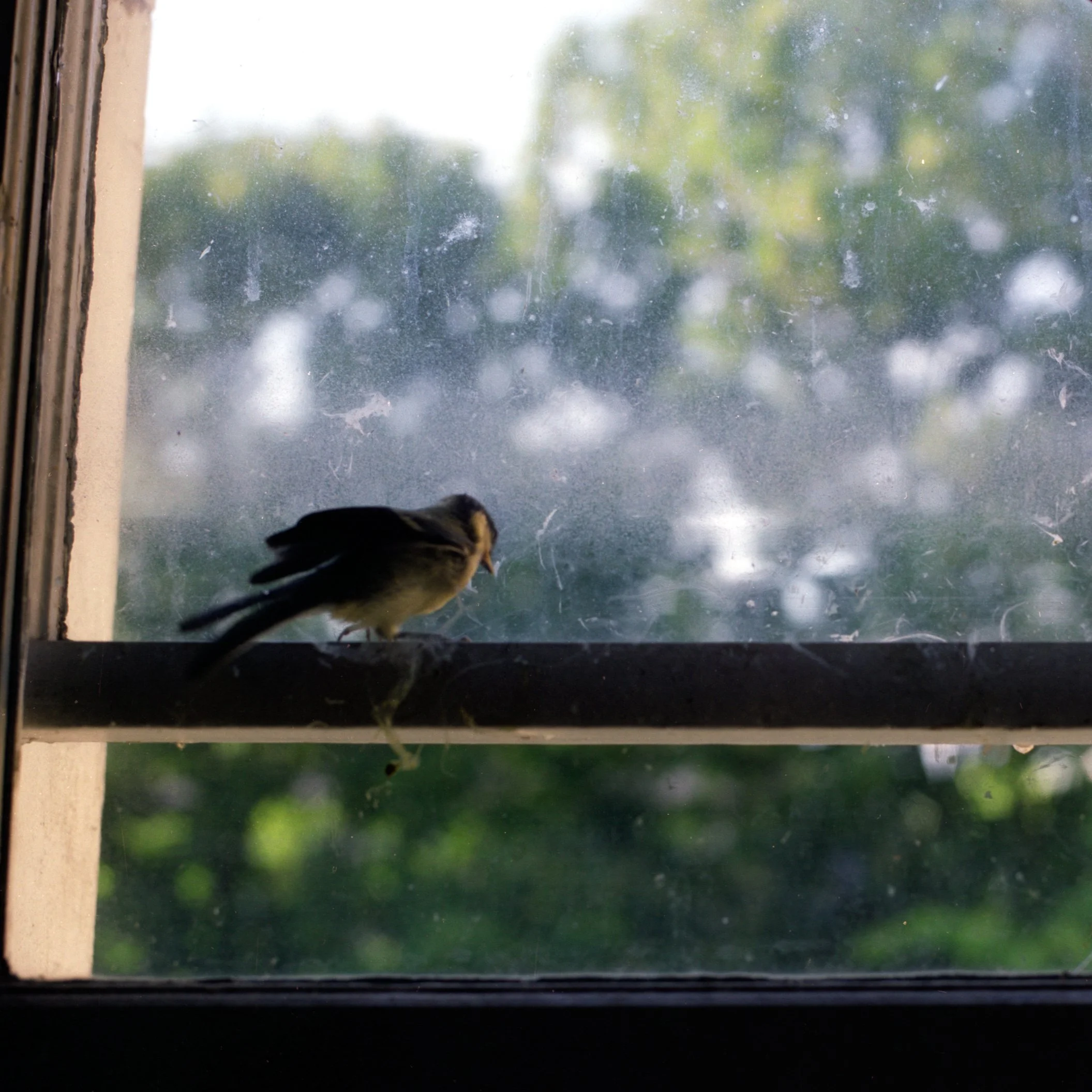
Between the Glass
The camera is not particularly good at reproducing our vision, although it is often used as thus. It is particularly unsuitable for documenting the experience of a lingering gaze. When looking at a room or surface for a long time, one's attention will not be concentrated and fixed. Attention and focus wander and rest. Looking is as much an experience of time and space. In this work I try to reproduce this infinitely moving focus. It's about observing and being observed.
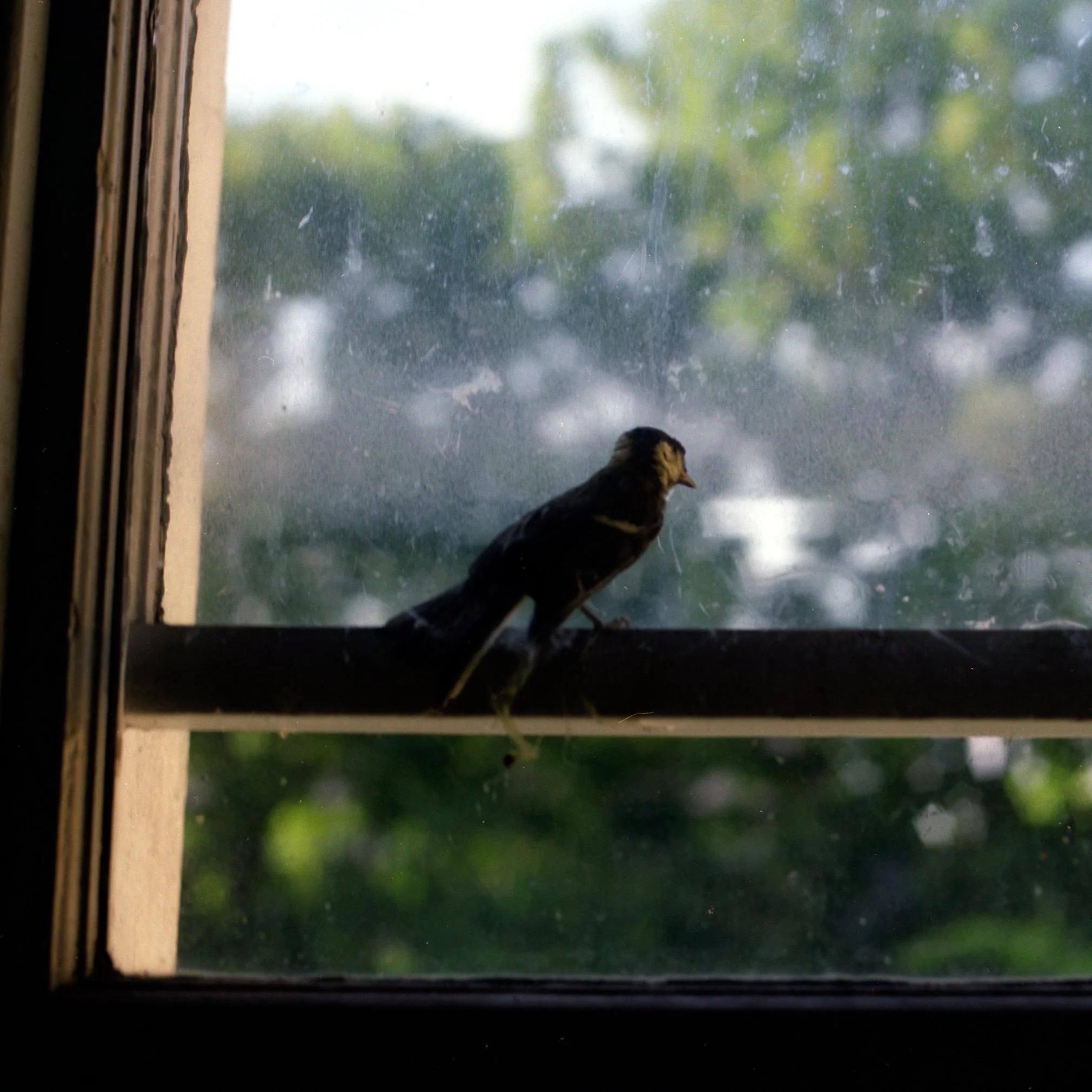
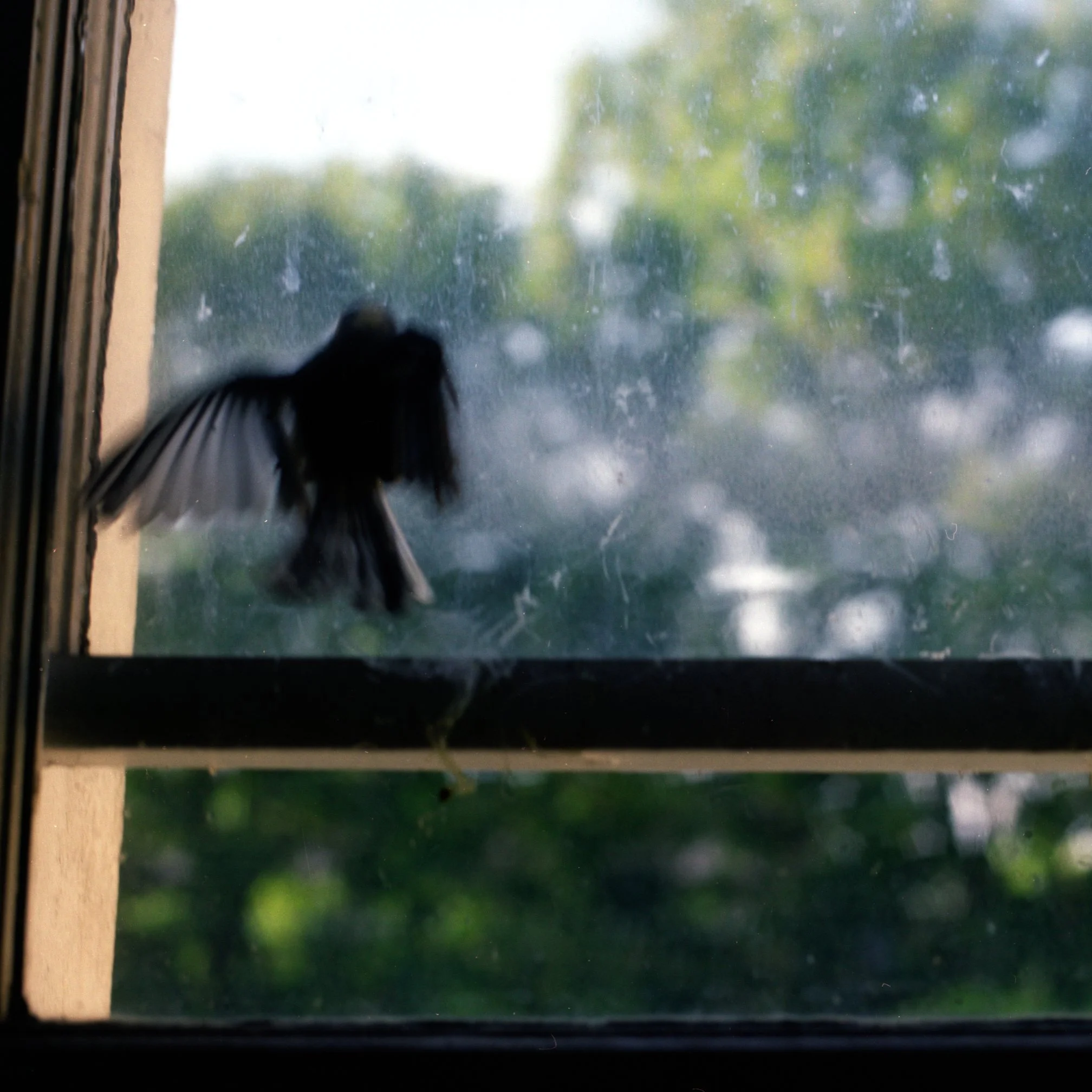
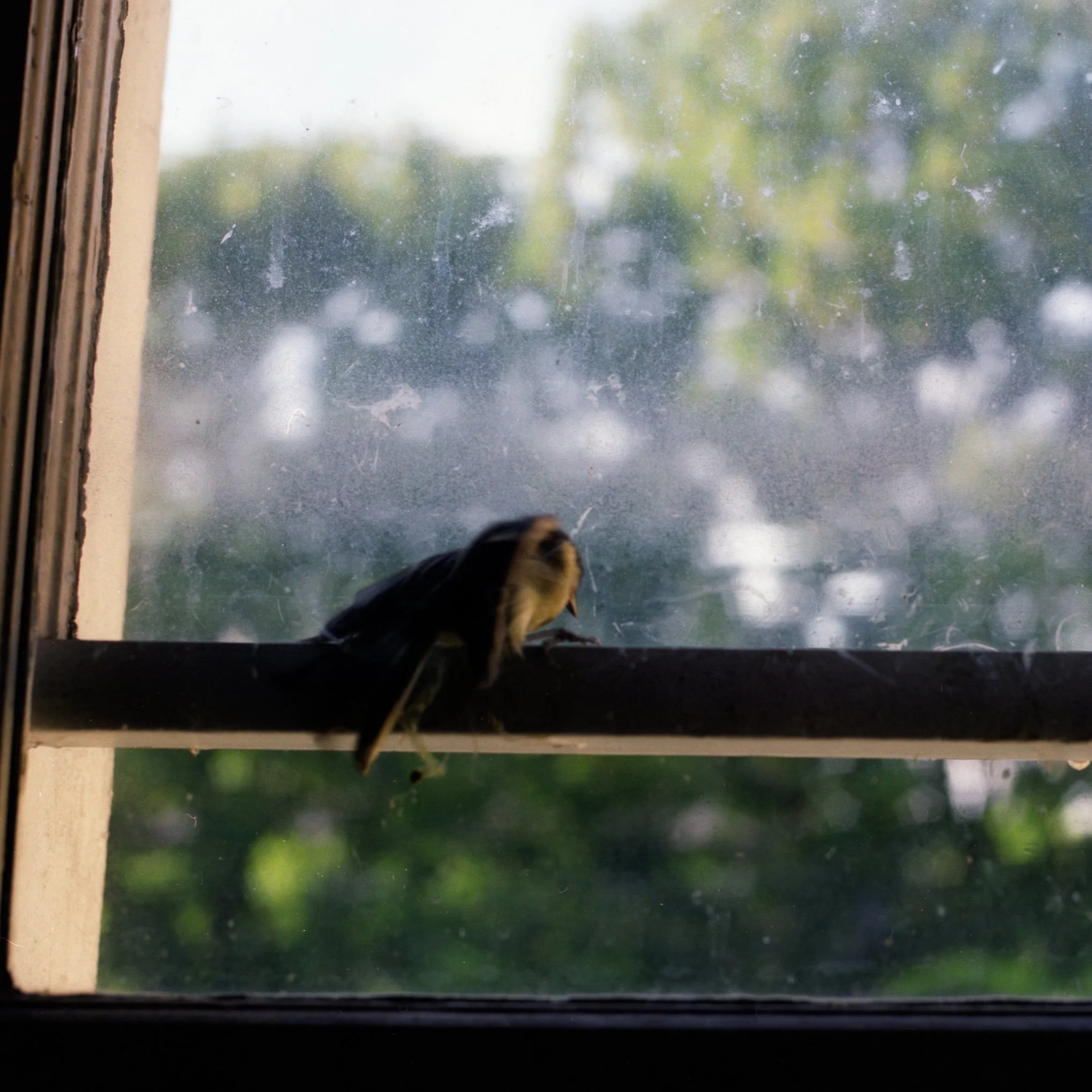
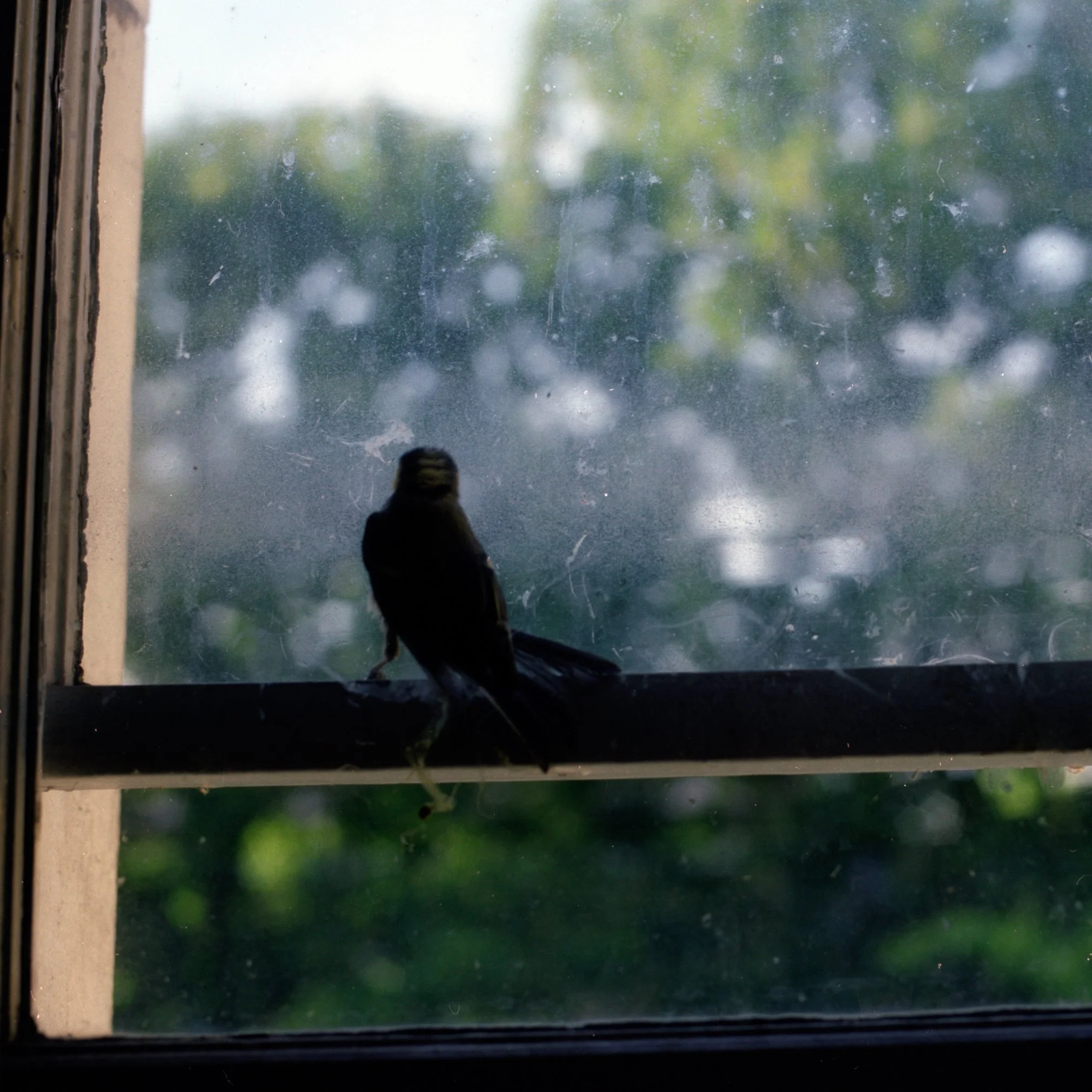
I came into the kitchen and found a bird flying between the window panes. It struggled, struck, flapped and rested against the glass. I photographed it when waiting for someone who could set it free without damaging its wings. A migratory bird whose final journey risked ending in the familiar and mundane rather than the vast and unknown. Now caught between two panes of glass.
Finally, a moment of freedom. The window is open.