Enargeia
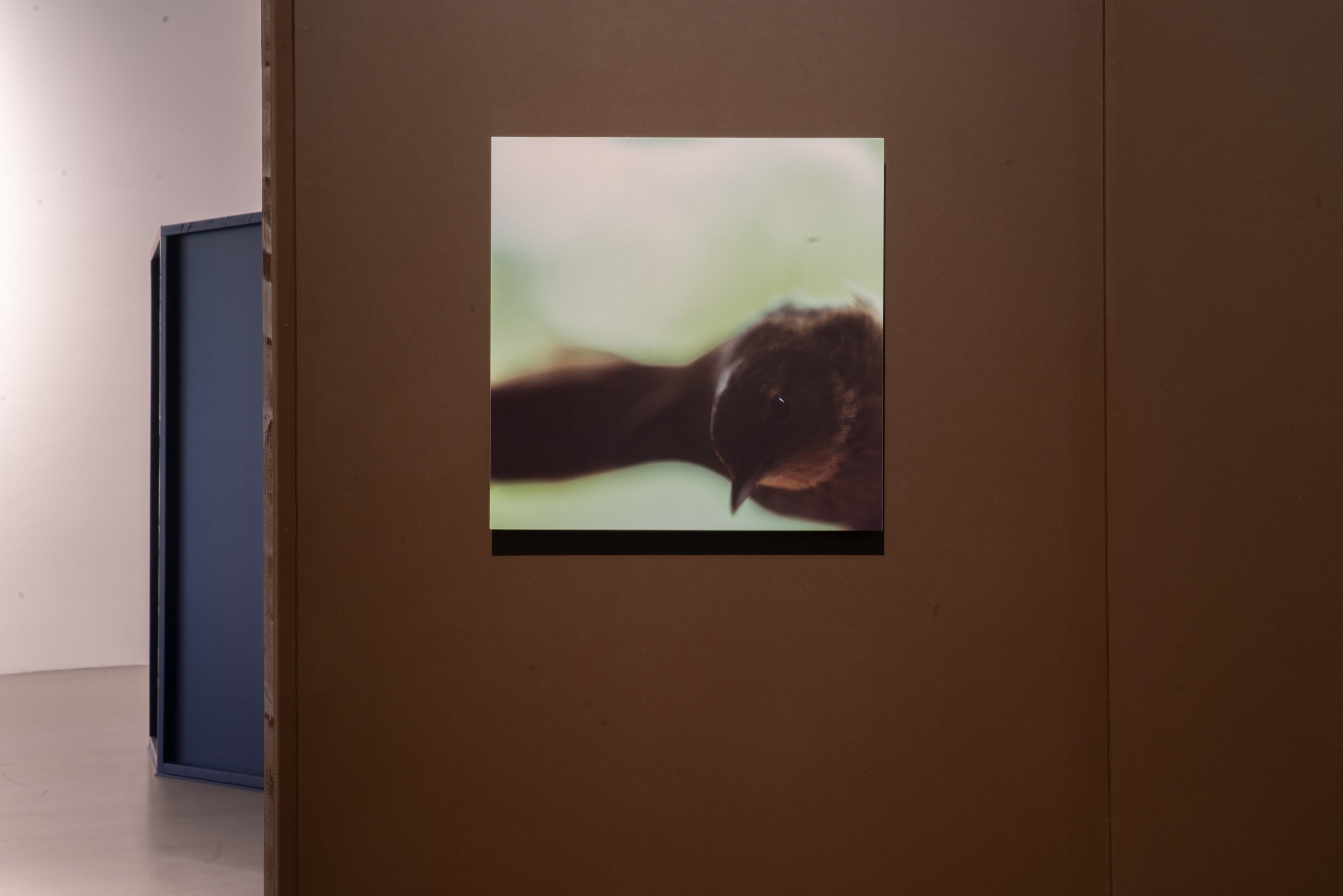
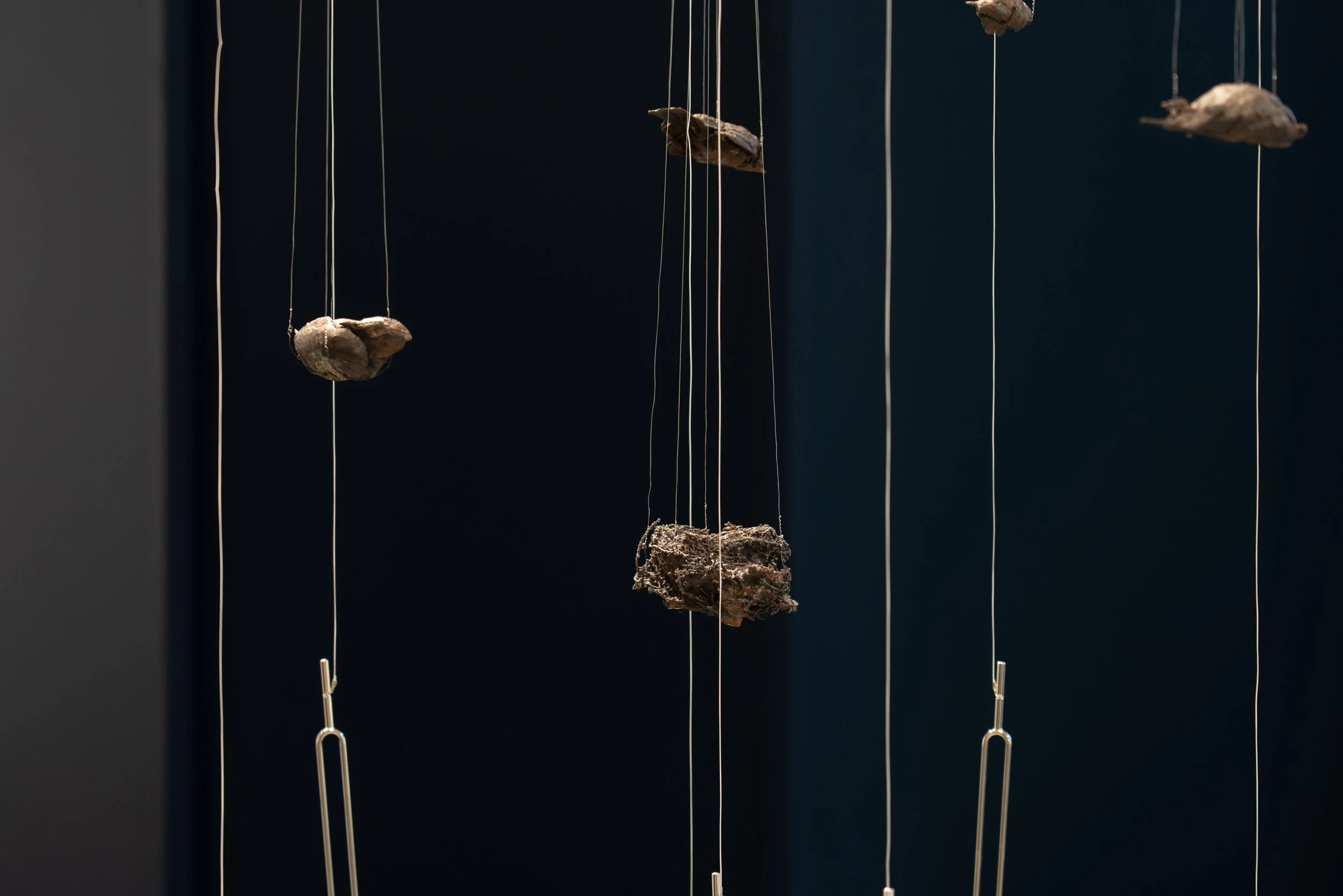
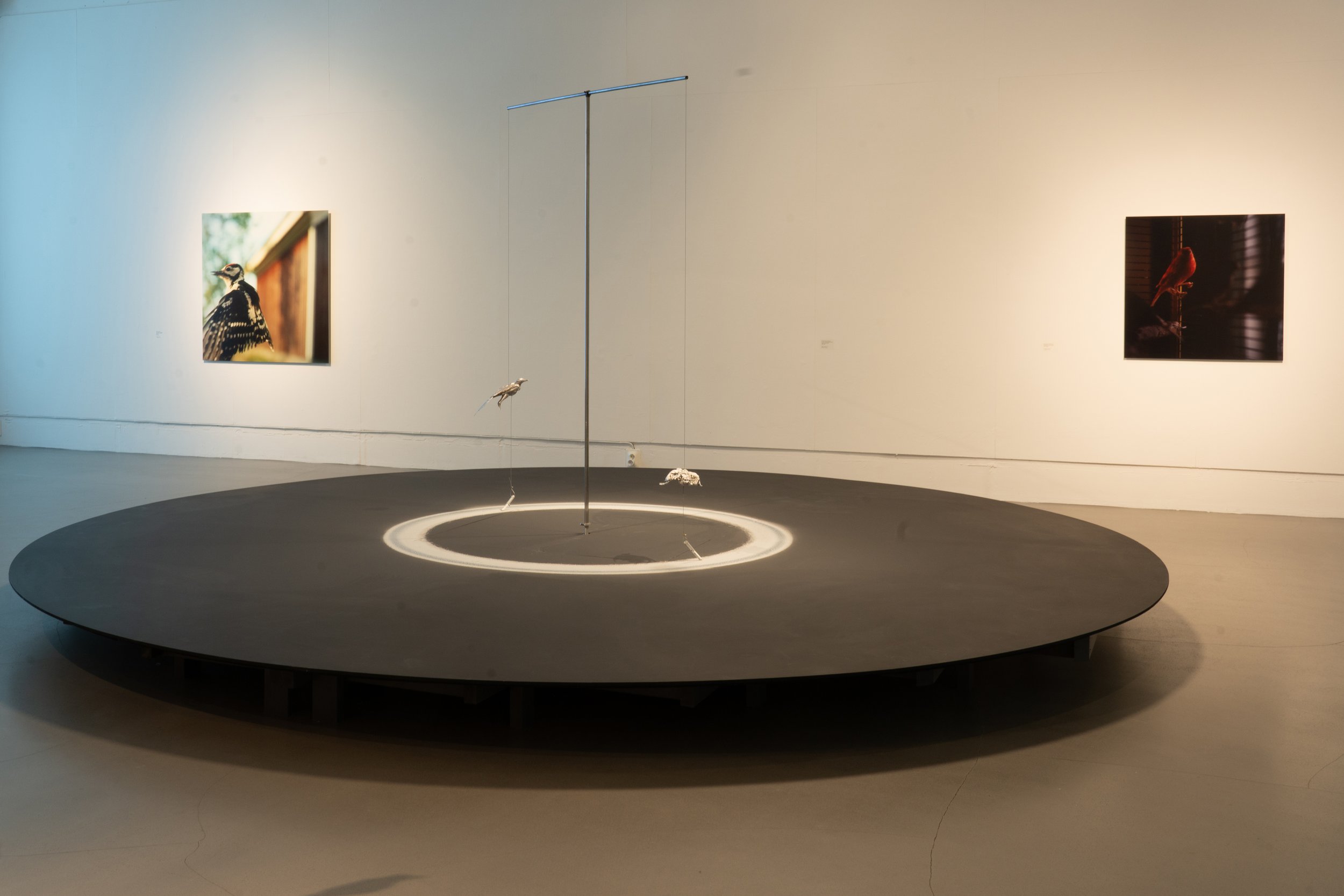
Enargeia can be resembled to an urban folktale of Umeå, of how an artist in 2014–2016 experienced the death of 9 friends and family from all stages of her life, unexpectedly and without forewarning. Prior to or after receiving the news of each passing, the artist found a wild animal or bird that died and held a symbolic link to the person who had passed. The intensity of the experience was such that she cast these animals into bronze to honour each individual and sustain the aura of the living.
Enargeia (or bright unbearable reality) was the phrase that the ancients used to describe the aura of the classical work of war – the Iliad. It refers to the Iliad’s vocative and communicative power, to when the gods came down to earth from heaven, as they were, in their truest expression in beauty or in terror.
Edith Marie Pasquier opens for a broader perception of death as a phenomenon and allows clairvoyance to coexist alongside the obscure. In her practice, Pasquier combines artistic and documentary methods, creating a vast pallet of expressions, interconnecting loss and presence, living and dead. The work is a visual consideration of grief, a meditation on wider grief entanglements, but also an artist’s way of processing sudden loss.
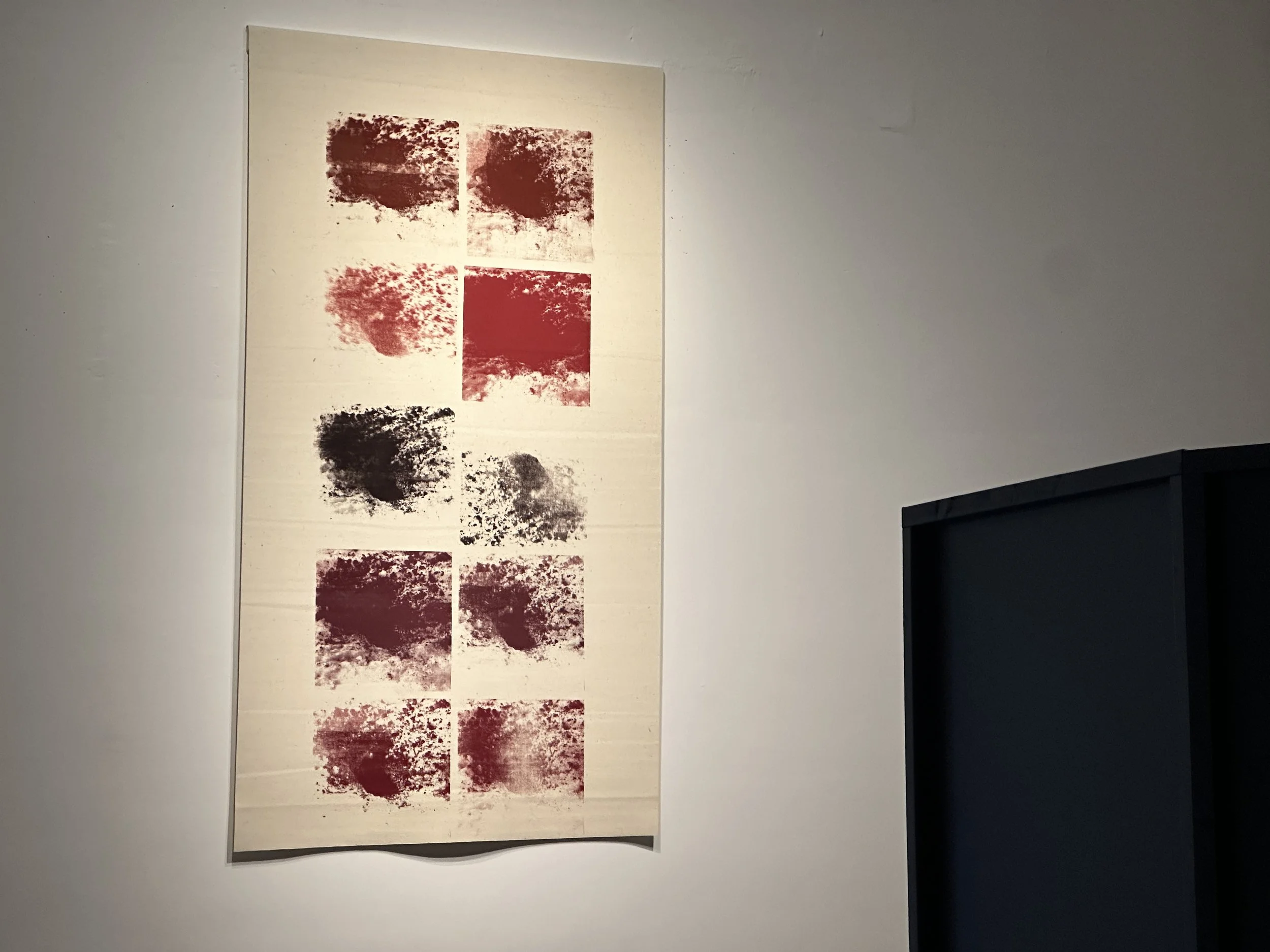
Working with the tools of chemical analogue photography and the idea that art is created in the encounter with the audience, Pasquier uses early cinematic techniques, photographic processes, sculptural assemblages and sonic propositions to offer these encounters, activated by others both individual and collective. Her practice ranges the philosophical, the political and material, and her world of motifs is usually made up of animals, linked in a myriad of ways with humans.
Alexandra A. Ellis and Suzanne Steneberg (curators Västerbottens museum)